Calcium is one of the most essential minerals for human health. It builds and maintains strong bones and teeth, supports muscle function, enables proper nerve signaling, aids blood clotting, and helps regulate heart rhythm. In India, when people think of calcium, the first food that comes to mind is almost always milk. A glass of milk is widely promoted as the simplest way to meet daily calcium needs. Yet nutrition science and traditional Indian food wisdom both show that several everyday plant-based foods actually contain more calcium per 100 grams than milk.
Also read this : Statue of Unity 360-Degree View: Explore India’s Tallest Statue Virtually
Cow’s milk typically provides about 120–125 mg of calcium per 100 ml. In comparison, certain Indian staples deliver significantly higher amounts while also offering fibre, protein, healthy fats, iron, magnesium, and antioxidants. These foods are especially valuable for people who are lactose intolerant, vegan, or simply prefer to diversify their calcium sources beyond dairy.
This article explores six traditional Indian foods that are richer in calcium than milk, explains their nutritional profiles, suggests practical ways to include them in daily meals, and answers common questions about calcium absorption and bone health.
Why Calcium Matters More Than You Think
Bones are living tissue that constantly break down and rebuild. Until the early 30s, the body can still build peak bone mass. After that, the focus shifts to preserving what has been built and slowing age-related loss. Inadequate calcium intake over years increases the risk of osteopenia and osteoporosis, conditions that make bones fragile and raise fracture risk, particularly in postmenopausal women and older adults.
Calcium also plays roles beyond the skeleton. It is required for muscle contraction (including the heart muscle), the release of neurotransmitters, and enzyme activation. Low calcium status can contribute to muscle cramps, numbness, and in severe cases, more serious metabolic problems.
According to Indian dietary guidelines, adults generally need around 1,000 mg of calcium per day, with higher requirements during pregnancy, lactation, and for adolescents. Many Indians, however, consume far less—often only 300–500 mg daily—because diets rely heavily on cereals and limited dairy or greens. Relying solely on milk is neither practical nor necessary for everyone.
Limitations of Depending Only on Milk
Milk is an excellent source of highly bioavailable calcium (typically 30–35% absorption). Yet it is not the only option. Lactose intolerance is common in India, affecting a significant portion of the adult population. Some people avoid dairy for ethical, environmental, or digestive reasons. Others simply want variety.
Plant foods often contain compounds such as oxalates and phytates that can reduce calcium absorption. Even so, when the absolute calcium content is high enough—as in sesame seeds or ragi—the net amount absorbed can still be substantial. Pairing these foods with vitamin D sources, vitamin C-rich items, and regular physical activity further improves utilisation.
1. Sesame Seeds (Til) – The Calcium Powerhouse
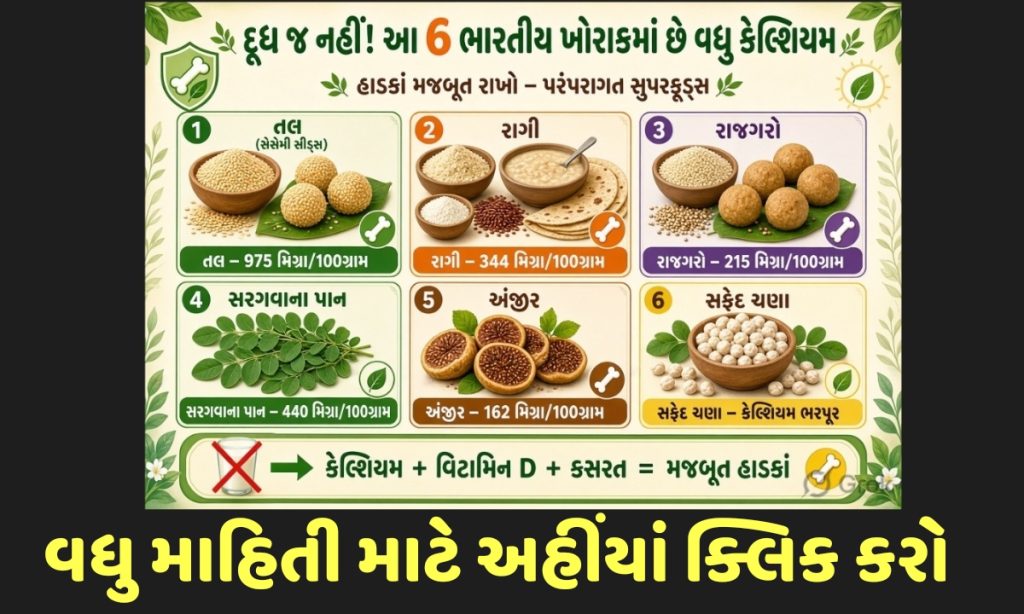
Sesame seeds stand out as one of the richest natural sources of calcium among common Indian foods. Unhulled sesame seeds contain approximately 975 mg of calcium per 100 g—nearly eight times the amount found in the same weight of milk. They also provide magnesium, zinc, healthy unsaturated fats, protein, and lignans with antioxidant properties.
Magnesium is particularly important because it helps convert vitamin D into its active form, which in turn supports calcium absorption and bone mineralisation.
How to use sesame seeds daily
- Make traditional til ladoos or chikki with jaggery in winter.
- Dry-roast and sprinkle over salads, raita, or vegetable stir-fries.
- Grind into chutney with garlic, chilli, and lemon.
- Add a spoonful of sesame seeds or tahini to smoothies or porridge.
- Use black sesame seeds in South Indian dishes or as a garnish for rice.
Even 15–20 g of sesame seeds can contribute meaningfully to daily calcium intake. Prefer unhulled seeds when possible, as much of the calcium is concentrated in the outer hull.

2. Ragi (Finger Millet / Nachni) – The Grain with Exceptional Calcium
Ragi is often called the calcium champion among Indian cereals. It contains about 344 mg of calcium per 100 g of grain—nearly three times that of milk. In addition, it supplies dietary fibre, iron, amino acids, and has a relatively low glycaemic index. Ragi is naturally gluten-free, making it suitable for people with gluten sensitivity.
Because it is a whole grain, ragi also contributes to satiety and steady energy release. Traditional preparation methods such as sprouting can improve mineral bioavailability by reducing phytate content.
Practical ways to eat ragi
- Ragi porridge or malt for breakfast, sweetened lightly with jaggery or dates.
- Soft ragi rotis or dosas mixed with a little wheat or rice flour if needed for texture.
- Ragi mudde (steamed balls) served with sambar or vegetable stew in Karnataka style.
- Ragi ladoos or cookies as healthier snacks.
- Add ragi flour to idli or dosa batter for a nutritional boost.
Including 50–100 g of ragi in the daily diet can significantly raise calcium intake while supporting digestive health through its fibre content.
3. Rajgira (Amaranth) – The Ancient Pseudo-Cereal
Rajgira, or amaranth, is a nutrient-dense pseudo-cereal traditionally used during fasting days in many parts of India. The grain provides around 159–215 mg of calcium per 100 g, along with good-quality protein (including the amino acid lysine), fibre, and other minerals. Amaranth leaves are even higher in calcium in some analyses, but the grain itself remains a practical everyday option.
Its gluten-free nature and mild, slightly nutty flavour make it versatile.
How to incorporate rajgira
- Prepare rajgira rotis or parathas, especially on fasting days.
- Make sweet ladoos with jaggery and ghee.
- Cook as a porridge similar to ragi or quinoa.
- Pop the seeds like popcorn for a light snack.
- Blend the flour with other millets for mixed-grain rotis.
Rajgira is particularly useful for people seeking plant-based protein and calcium in one food.
4. Drumstick Leaves / Moringa (Saragva na Paan)
Moringa leaves are among the most nutrient-packed leafy greens available in India. Calcium content is reported between roughly 185 mg and 440 mg per 100 g depending on whether the leaves are fresh or analysed in different studies; even the lower figures exceed milk. Beyond calcium, moringa supplies vitamins A and C, iron, protein, and a range of antioxidants.
Vitamin C in the leaves can enhance non-heme iron absorption and may support overall mineral utilisation.
Easy ways to eat moringa leaves
- Add chopped fresh leaves to dal, sambar, or vegetable curries in the last few minutes of cooking.
- Make a simple stir-fry or sabzi with garlic and spices.
- Prepare moringa leaf soup or add to rasam.
- Use dried moringa powder (1/2 to 1 teaspoon) stirred into dal, buttermilk, or smoothies.
- Incorporate into paratha stuffing or dosa batter.
Regular small quantities of moringa leaves can meaningfully contribute to both calcium and overall micronutrient intake.

5. Dried Figs (Anjeer)
Dried figs offer a naturally sweet way to increase calcium. They contain approximately 162 mg of calcium per 100 g, along with substantial dietary fibre, potassium, and antioxidants. The drying process concentrates nutrients, so a modest portion delivers more calcium than the same weight of many fresh fruits.
Fibre supports digestive health, while potassium helps the body retain calcium by reducing urinary losses.
Simple ways to enjoy anjeer
- Eat 2–4 dried figs as a mid-morning or evening snack.
- Soak overnight and blend into smoothies or milk alternatives.
- Chop and add to oatmeal, porridge, or yogurt.
- Use in homemade energy bars or trail mixes with nuts and seeds.
- Stuff with a little nut butter for a satisfying treat.
Because figs are calorie-dense and naturally sweet, moderation is advisable, especially for those monitoring blood sugar.
6. White Chickpeas / Kabuli Chana (Safed Chana)
White chickpeas provide a solid combination of protein, fibre, and calcium. Values commonly fall in the range of about 105–150 mg or higher per 100 g depending on the variety and preparation, placing them competitively with or above milk in some comparisons. They also supply complex carbohydrates and plant protein that support muscle maintenance alongside bone health.
Everyday uses
- Boil and use in salads, chaat, or as a side dish with spices.
- Prepare traditional chana masala or sundal.
- Roast for a crunchy snack.
- Grind into hummus-style dips or use the flour (besan is from a different chana, but kabuli can be used similarly in some recipes).
- Add to soups and stews for thickness and nutrition.
Soaking and cooking chickpeas properly improves digestibility and nutrient availability.
The Critical Role of Vitamin D and Lifestyle Factors
Eating calcium-rich foods is only half the equation. Vitamin D is essential for efficient calcium absorption in the intestines. Without adequate vitamin D, the body may absorb only 10–15% of dietary calcium. In India, vitamin D deficiency is widespread due to limited sun exposure (especially with indoor lifestyles and clothing), darker skin pigmentation, and dietary patterns.
Practical steps include:
- Spending 15–20 minutes in morning sunlight several times a week (arms and legs exposed when possible).
- Including vitamin D-rich or fortified foods where available.
- Considering supplementation under medical advice if blood levels are low.
Weight-bearing exercise such as walking, jogging, yoga, or strength training stimulates bone formation. A balanced diet that includes adequate protein, magnesium, vitamin K, and other micronutrients further supports skeletal health. Excessive salt, very high caffeine or soft-drink intake, and smoking can increase calcium loss and should be moderated.
Building a Calcium-Rich Indian Plate
A varied daily pattern might look like this:
- Breakfast: Ragi porridge or dosa with a side of curd (if tolerated) and a few sesame seeds.
- Mid-morning: A couple of soaked figs or a small handful of roasted chickpeas.
- Lunch: Dal tempered with moringa leaves, ragi or mixed-millet roti, and a vegetable sabzi.
- Evening: Til ladoo or sesame-sprinkled salad.
- Dinner: Rajgira roti or khichdi with greens and a portion of cooked chana.
This approach spreads calcium intake across the day and pairs it with complementary nutrients.

Conclusion
Milk remains a convenient and bioavailable source of calcium, but it is far from the only option. Traditional Indian foods—sesame seeds, ragi, rajgira, moringa leaves, dried figs, and white chickpeas—offer equal or higher calcium content per 100 grams along with additional health benefits. By thoughtfully including these ingredients in everyday meals, individuals can support bone strength, overall nutrition, and dietary diversity, whether or not they consume dairy.
A food-first approach, combined with adequate vitamin D, physical activity, and medical guidance when needed, provides the most sustainable path to long-term bone and metabolic health. Small, consistent changes in the kitchen can yield significant benefits over a lifetime.
Important Links
| Home page | Click here |
| Join WhatsApp group | Click here |
Frequently Asked Questions (FAQ)
1. How much calcium do adults in India need daily?
Most healthy adults require about 1,000 mg of calcium per day. Requirements are higher during adolescence, pregnancy, lactation, and after menopause (often 1,200 mg or more). Individual needs can vary; consult a doctor or dietitian for personalised advice.
2. Are plant-based calcium sources as effective as milk?
Dairy calcium generally has higher bioavailability (around 30–35%). Plant sources often have lower absorption rates due to phytates and oxalates. However, foods like sesame and ragi contain such high total calcium that the absolute amount absorbed can still be substantial. Combining them with vitamin D and vitamin C helps.
3. Can I meet my calcium needs without any dairy?
Yes. A carefully planned diet rich in the foods discussed above, along with other greens, nuts, seeds, and possibly fortified plant milks or tofu set with calcium, can meet requirements for many people. Monitoring intake and checking blood levels or bone density when advised is prudent.
4. Does cooking reduce the calcium in these foods?
Cooking can reduce some heat-sensitive vitamins but generally does not destroy calcium. In the case of leafy greens, cooking can even lower oxalate content, potentially improving calcium availability. Soaking and sprouting grains and legumes also help.
5. How much sesame or ragi should I eat to match a glass of milk?
A typical glass of milk (200–250 ml) provides roughly 240–300 mg of calcium. About 25–30 g of sesame seeds or 70–90 g of ragi can supply a comparable or higher amount of calcium, though actual absorption differs. Spreading intake across meals is better than consuming large amounts at once.
6. Are there any side effects of eating too many of these foods?
Sesame and figs are calorie-dense; excessive amounts may contribute to weight gain if overall energy balance is not considered. Some people may experience digestive discomfort from sudden large increases in fibre. Introduce new foods gradually and drink adequate water.
7. Should children and older people also eat these foods?
Yes. Ragi is traditionally given to infants and young children in many regions. Soft preparations of these foods suit older adults. For children and those with specific medical conditions, portion sizes and preparation methods should be adjusted appropriately, preferably with professional guidance.
8. Is calcium supplementation better than food sources?
Food sources are preferred because they provide calcium along with other synergistic nutrients and are less likely to cause the constipation or absorption issues sometimes associated with high-dose supplements. Supplements are useful when dietary intake is insufficient or in conditions of higher physiological demand, but should be taken under medical supervision.
By embracing these time-tested Indian foods, you can strengthen your bones and nourish your body with the wisdom already present in traditional kitchens. Consistency matters more than perfection—start with one or two of these ingredients and build from there.