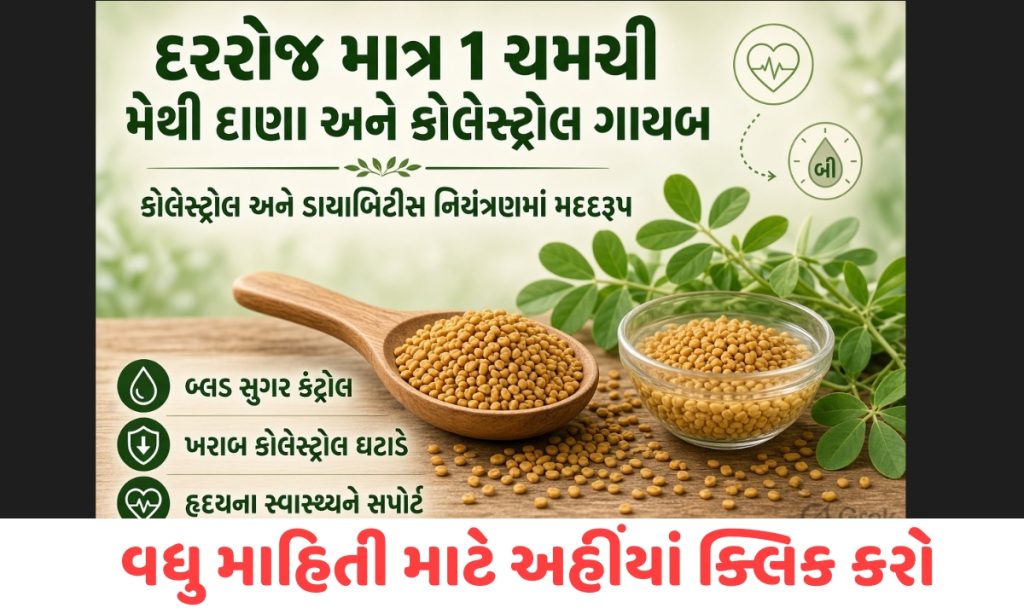
Fenugreek seeds, known as methi dana in many parts of India and widely used in traditional cooking and Ayurvedic practices, have gained attention for their potential role in supporting blood sugar management and healthy cholesterol levels. These small, bitter, golden-brown seeds from the plant Trigonella foenum-graecum contain soluble fiber (particularly galactomannan), the amino acid 4-hydroxyisoleucine, saponins, alkaloids such as trigonelline, and other bioactive compounds. Research indicates these components may contribute to better glycemic control and improved lipid profiles when used as part of a balanced lifestyle.
Also read this : 5 Best Plants That Naturally Keep Mosquitoes and Flies Away from Your Home
This article explores the science-backed benefits, practical ways to include fenugreek seeds in the diet, potential mechanisms, precautions, and answers to common questions. The information draws from clinical studies, systematic reviews, and traditional use. It is not medical advice—consult a healthcare professional before making significant dietary changes, especially if you have diabetes, high cholesterol, or take medications.
Nutritional Profile of Fenugreek Seeds
Fenugreek seeds are nutrient-dense. They provide dietary fiber (both soluble and insoluble), protein, and various micronutrients. The soluble fiber forms a gel-like substance in the digestive tract, which slows nutrient absorption. Key compounds include:
- Galactomannan (a type of soluble fiber linked to glycemic and lipid benefits).
- 4-Hydroxyisoleucine (associated with insulin sensitivity support).
- Steroidal saponins and diosgenin.
- Alkaloids such as trigonelline.
- Antioxidants and polyphenols.
These elements underpin many of the observed effects on metabolism. Seeds also contain minerals like iron, magnesium, and manganese, though they are typically consumed in modest amounts (a teaspoon to a few tablespoons daily in studies).
How Fenugreek Seeds May Help Manage Blood Sugar and Diabetes
Multiple studies and reviews have examined fenugreek’s effects on people with type 2 diabetes or prediabetes. Systematic reviews and meta-analyses report reductions in fasting blood glucose, postprandial (after-meal) glucose, and HbA1c (a marker of long-term blood sugar control) with regular use, particularly at higher doses of seed powder.
Key mechanisms include:
- Slowing carbohydrate absorption: Soluble fiber creates viscosity in the gut, delaying glucose release into the bloodstream and reducing spikes after meals.
- Supporting insulin function: Compounds like 4-hydroxyisoleucine may enhance insulin secretion or sensitivity in some research models, helping cells take up glucose more effectively.
- Other effects: Potential influence on digestive enzymes and gut-related signaling that supports metabolic balance.
In one analysis of trials involving hundreds of participants, fenugreek supplementation was associated with meaningful improvements in glycemic markers compared with controls. Benefits appeared more consistent with whole seeds, powdered seeds, or fiber-rich fractions at doses often ranging from about 5–25 grams or more per day over weeks to months. Effects in non-diabetic individuals are generally milder or less consistent.
Fenugreek is sometimes used as a complementary approach alongside diet, exercise, and prescribed medications. It is not a replacement for medical treatment. People on insulin or other glucose-lowering drugs should monitor levels closely, as additive effects could increase the risk of low blood sugar.
Fenugreek Seeds and Cholesterol Management
Fenugreek has also been studied for its impact on blood lipids. Reviews note reductions in total cholesterol, LDL (“bad”) cholesterol, and triglycerides in some trials, with occasional increases or neutral effects on HDL (“good”) cholesterol. These changes may support heart health, particularly relevant for people with diabetes who often have concurrent dyslipidemia.

Proposed ways it works:
- Soluble fiber binds bile acids and cholesterol in the intestine, reducing absorption and prompting the body to use more cholesterol to produce new bile acids.
- Saponins and other compounds may further influence lipid metabolism and absorption.
- Fiber-related effects on overall digestion and possibly inflammation contribute over time.
Trials have used varying doses and forms (powdered seeds, defatted fractions, extracts). Higher intakes of seed powder (for example, 10–50 grams daily in some studies) over periods of weeks to a few months showed more noticeable lipid improvements in certain populations. Results can vary based on baseline levels, diet, and individual response.
Combining fenugreek with a heart-healthy eating pattern (rich in vegetables, whole grains, healthy fats, and limited saturated fats and refined carbohydrates) and regular physical activity amplifies potential benefits.
Additional Potential Health Benefits
Beyond blood sugar and cholesterol, research and traditional use point to other supportive roles:
- Digestive health: Fiber content may promote regularity and gut comfort. The mucilaginous nature of the seeds can soothe the digestive tract for some people.
- Antioxidant and anti-inflammatory activity: Polyphenols and other compounds help combat oxidative stress, which is elevated in metabolic conditions.
- Appetite and weight support: Fiber and viscosity may increase satiety, potentially aiding calorie control as part of a broader plan.
- Other traditional uses: Fenugreek has been explored for lactation support, skin applications, and general wellness, though evidence strength varies by claim.
A comprehensive view positions fenugreek as a multi-purpose functional food rather than a single-purpose remedy.
Practical Ways to Use Fenugreek Seeds Daily
Consistency matters more than large single doses. Common approaches include:
- Soaked seeds: Soak 1 teaspoon of seeds overnight in water. Consume the seeds and water in the morning on an empty stomach. Soaking softens them and may improve digestibility.
- Powdered form: Grind dry or roasted seeds into powder. Start with ½–1 teaspoon mixed into yogurt, smoothies, warm water, or sprinkled on food. Gradually increase based on tolerance and professional guidance.
- In cooking: Add whole or ground seeds to curries, dals, vegetable dishes, breads, or spice mixes (common in Indian cuisine). Toasting enhances flavor and reduces bitterness.
- Tea or infusion: Lightly boil or steep seeds in water for a mild tea.
- Supplements: Capsules or extracts are available; follow label directions and quality standards. Whole-food forms retain the full fiber matrix.
Many traditional recommendations and some study protocols use around 1 teaspoon to several grams daily. Higher research doses (10+ grams of powder) may be more effective for measurable metabolic changes but should be introduced carefully to avoid digestive discomfort. Pair with plenty of water because of the high fiber content.
Roasting or sprouting can alter flavor and nutrient availability. Freshness matters—store seeds in an airtight container away from heat and light.
Potential Side Effects and Precautions
Fenugreek is generally recognized as safe when used in culinary amounts. Higher medicinal doses may cause:

- Digestive issues such as bloating, gas, diarrhea, or stomach upset (especially when starting).
- A maple-syrup-like body odor or urine smell in some people (harmless but noticeable).
- Allergic reactions in those sensitive to legumes or related plants.
- Possible interactions: It may enhance the effects of diabetes medications or blood thinners. It can affect thyroid function or hormone-sensitive conditions in theory.
- Pregnancy: High doses are traditionally avoided later in pregnancy due to potential uterine-stimulating effects; medical advice is essential.
- Not recommended as a primary treatment for diagnosed diabetes or hypercholesterolemia without professional oversight.
Start low, monitor how your body responds, and discuss with a doctor or registered dietitian, particularly if you take medications, have existing health conditions, or are pregnant/breastfeeding. Blood tests can help track progress objectively.
Lifestyle Context for Best Results
Fenugreek works best as one element of a comprehensive approach:
- Balanced diet emphasizing whole foods, controlled portions of carbohydrates, and healthy fats.
- Regular physical activity (aerobic and strength training).
- Adequate sleep and stress management.
- Weight management if higher weight.
- Regular medical monitoring of blood glucose, HbA1c, and lipid panels.
No single food or seed reverses chronic conditions on its own. Sustainable habits produce the strongest long-term outcomes.
Scientific Evidence Snapshot
Evidence comes from animal studies, human clinical trials, and meta-analyses. Strengths include consistent signals for glycemic benefits at adequate doses and supportive lipid findings in several reviews. Limitations include variability in study design, dose, form (seed vs. extract), duration, and participant characteristics. Larger, high-quality randomized controlled trials continue to refine understanding. Overall, fenugreek is viewed as a promising adjunct with a favorable safety profile for most adults when used appropriately.
Important Links
| Home page | Click here |
| Join WhatsApp group | Click here |
Frequently Asked Questions (FAQ)
How much fenugreek seed should I take daily for cholesterol or diabetes support?
Common starting points are 1 teaspoon of soaked seeds or ½–2 teaspoons of powder. Research often uses 5–25 grams (or more) of powdered seeds daily. Individual needs vary—consult a healthcare provider for personalized advice and to avoid excessive intake.
How long does it take to see benefits?
Some people notice digestive or satiety effects within days. Measurable changes in blood sugar or lipids typically appear after several weeks of consistent use (4–12 weeks in many studies). Results depend on dose, diet, and baseline health.
Can I eat fenugreek seeds raw?
Yes, but soaking or lightly cooking/roasting improves digestibility and reduces bitterness for most people. Raw seeds are harder to chew and may cause more gas.
Is fenugreek safe for people with diabetes who are on medication?
It can be complementary, but it may lower blood sugar further, raising the risk of hypoglycemia. Close monitoring and medical supervision are required. Never stop prescribed medications without guidance.
Does fenugreek lower cholesterol as effectively as medication?
It may support modest improvements in lipid profiles for some individuals but is not a substitute for statins or other prescribed therapies when those are indicated. Lifestyle measures remain foundational.

Are there any groups who should avoid fenugreek?
People with allergies to fenugreek or related plants, those with hormone-sensitive conditions, pregnant individuals (especially high doses), and anyone advised against high-fiber supplements should exercise caution or avoid it. Discuss with a doctor.
Can fenugreek seeds help with weight loss?
Indirectly, through increased satiety from fiber and better blood sugar stability, which may reduce cravings. Significant weight loss requires overall calorie balance and activity.
What is the best form—whole seeds, powder, or supplements?
Whole or powdered seeds retain fiber benefits. High-quality supplements offer convenience and standardized amounts. Choose based on preference and tolerance; whole-food forms are often preferred for the complete matrix of compounds.
Does cooking destroy the benefits?
Moderate cooking or roasting is generally fine and may improve palatability. Extreme heat over long periods could affect some heat-sensitive compounds, but the fiber remains intact.
Where can I buy good-quality fenugreek seeds?
Look for fresh, clean seeds from reputable grocery stores, Indian/Asian markets, or organic suppliers. Check for uniform color and absence of moisture or mold. Powder should be finely ground and stored properly.
Conclusion
Fenugreek seeds offer a practical, traditional, and research-supported option for people seeking natural ways to support healthy blood sugar levels and cholesterol management. Their soluble fiber, unique amino acids, and other bioactives contribute to slower glucose absorption, potential insulin support, and reduced cholesterol uptake. Incorporating a modest daily amount—such as a teaspoon of soaked seeds or powder—into meals or as a morning ritual can be a simple addition to a healthy lifestyle.
Results are most reliable when combined with evidence-based diet and exercise habits and under professional guidance. Track progress with medical tests rather than relying solely on how you feel. With thoughtful use, fenugreek can be a valuable part of metabolic wellness for many individuals.
Note : Always prioritize personalized medical advice. Individual responses differ, and ongoing research continues to clarify optimal use.