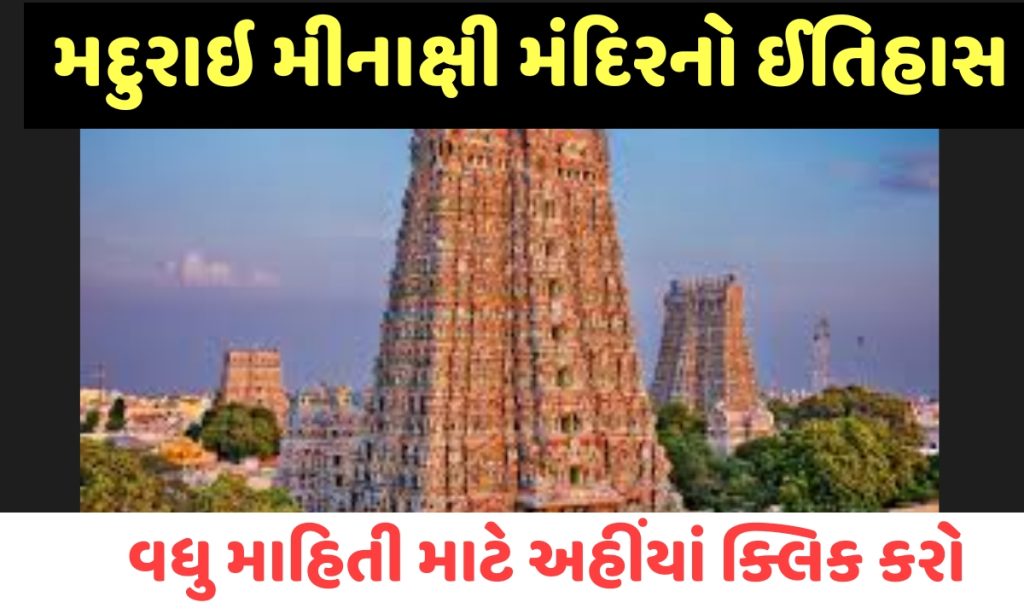
The Meenakshi Amman Temple, also known as the Meenakshi Sundareswarar Temple, stands as one of India’s most iconic Hindu temples. Located in Madurai, Tamil Nadu, on the southern bank of the Vaigai River, it is a vibrant center of devotion dedicated to Goddess Meenakshi (a form of Parvati) and her consort Lord Sundareswarar (Shiva). Renowned for its breathtaking Dravidian architecture, colorful gopurams, intricate sculptures, and spiritual energy, the temple attracts millions of pilgrims and tourists annually. It symbolizes divine love and marriage while serving as a living cultural heritage site.
Also read this : Unlock the World’s Radio with Radio Garden – Free & Easy Guidehttps://rrb-ranchi.org/radio-garden/
History and Legend
The temple’s origins trace back over 2,000 years, with references in ancient Sangam literature and mentions by the 7th-century saint Thirugnanasambandar. According to legend, it was built by King Kulasekara Pandya following a divine dream from Lord Shiva. The temple was significantly damaged during the 14th-century invasion by Malik Kafur but was later restored and expanded.
The present magnificent structure largely dates to the 16th–17th centuries under the Nayak rulers, particularly Thirumalai Nayak. Multiple renovations, including kumbhabhishekams in later years, have preserved its glory. The temple complex evolved over centuries, reflecting the patronage of Pandya, Vijayanagara, and Nayak dynasties.
Architectural Wonders
The Meenakshi Temple exemplifies classic Dravidian architecture and spans about 5.7 hectares (14 acres) with concentric enclosures (prakaras) fortified by high walls.
Key Features:

- Gopurams (Gateway Towers): 14 towering gopurams adorned with thousands of vibrant, colorful sculptures depicting gods, goddesses, demons, and mythical beings. The southern gopuram, built in the 16th century, is the tallest at approximately 170 feet (52 meters).
- Hall of Thousand Pillars (Ayirakkal Mandapam): A marvel with 985 (often rounded to 1,000) intricately carved pillars. Some are musical pillars that produce different notes when tapped.
- Golden Lotus Pond (Potramarai Kulam): A sacred tank where devotees traditionally purify themselves before darshan. Legend says a golden lotus once bloomed here.
- Shrines and Mandapams: The main sanctums house Meenakshi and Sundareswarar. Other areas include pillared halls like the Kilikoondu Mandapam and Pudu Mandapam, filled with sculptures from Hindu epics.
The vimanas (towers over sanctums) are gilded with gold, adding to the temple’s divine splendor.
Religious Significance
Uniquely centered on Goddess Meenakshi while dedicated to Shiva, the temple celebrates their divine marriage. It integrates Shaivite traditions with elements honoring Vishnu (as Meenakshi’s brother), earning Madurai the title of “Southern Mathura.” Daily rituals, abhishekams, and pujas maintain its status as a major active pilgrimage site.
Major Festivals
The temple hosts vibrant festivals year-round, but the highlight is the Chithirai Festival (Meenakshi Tirukalyanam) in April–May. This 10–12 day event reenacts the celestial wedding of Meenakshi and Sundareswarar, drawing over a million devotees with processions, music, and celebrations.
Other festivals include Avani Moolam, Masi Mandala, Navaratri, Float Festival, and more, each filled with devotional fervor.
Temple Timings and Darshan
- Morning: 5:00 AM – 12:30 PM
- Evening: 4:00 PM – 9:30/10:00 PM (timings may vary slightly; check official sources during festivals).
Early mornings (5–7 AM) offer a peaceful experience with fewer crowds. Multiple daily pujas occur, including Thiruvanandal and Palliarai pooja. Special darshan tickets are available for shorter queues. Photography is generally restricted inside the inner sanctum.
Visitor Tips and Guidelines
- Dress Code: Conservative attire covering shoulders and legs. Traditional Indian wear is preferred.
- Footwear: Must be left outside at designated areas.
- Entry: Foreigners may pay a small fee (around ₹50). Free darshan is available for all.
- Best Time to Visit: October to March for pleasant weather. Weekday mornings are ideal to avoid crowds.
- Practical Advice: Hire a certified guide for deeper insights. Carry water, wear comfortable slip-on shoes, and respect customs. The temple can get crowded, so plan accordingly.
Nearby Attractions in Madurai
Combine your visit with sites like Thirumalai Nayakkar Palace, Vaigai River, Gandhi Museum, Alagar Kovil, or Pazhamudircholai Murugan Temple. Madurai’s vibrant markets offer local crafts, jasmine flowers, and Tamil cuisine.
Conclusion
The Meenakshi Temple is more than an architectural marvel—it is a living embodiment of Tamil culture, devotion, and artistry. Whether for spiritual solace, cultural exploration, or awe-inspiring views of the gopurams, a visit leaves an indelible impression of India’s rich heritage.
Important Links:
| Home page | Click here |
| Join WhatsApp group | Click here |
Frequently Asked Questions (FAQ)
Q1: What is the best time to visit Meenakshi Temple?
A: October to March for weather; early mornings on weekdays for fewer crowds and peaceful darshan.
Q2: Are there any entry fees?
A: General darshan is free. Special/priority darshan and foreigner entry fees apply (typically ₹50).
Q3: Can I take photos inside the temple?
A: Photography is allowed in outer areas but prohibited in the inner sanctums. Respect signage.

Q4: How long does it take to explore the temple?
A: 2–4 hours depending on crowds and interest. Allocate more time during festivals.
Q5: What are the major festivals and when do they occur?
A: Chithirai Festival (April–May) is the biggest. Others like Navaratri and Float Festival occur at different times.
Q6: Is the temple accessible for aged or disabled visitors?
A: The vast complex has some challenges with steps; wheelchairs and assistance may be available—check on-site.
Q7: Where can I find 360-degree or gigapixel views?
A: Search for official or verified panorama sites showcasing the temple’s towers (as shared in various travel resources).
This rewritten article provides a complete, informative, and engaging overview while staying well under 2000 words. Plan your visit to experience this divine wonder firsthand!